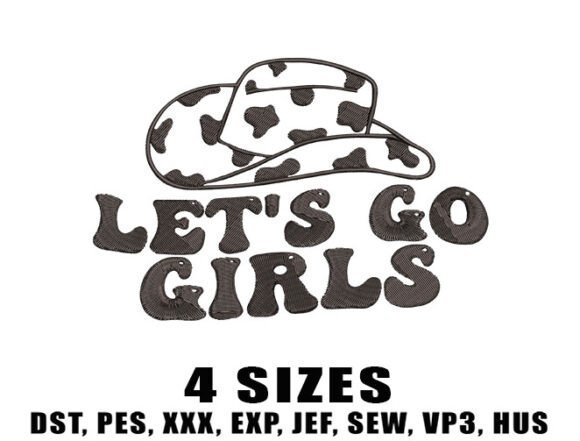
Cow Cowboy Hat Embroidery Design Review
As a designer who has spent years navigating the intersection of digital art and physical thread, I approach every new machine embroidery design with a mix of excitement and skepticism. The market is flooded with generic patterns that look great on a screen but fall apart under the needle. When I first opened the file for the Cow Cowboy Hat Embroidery Design, my immediate goal was to determine if it could survive the transition from a digital preview to a tangible, high-quality finished product. This isn't just about whether the image is cute; it is about stitch integrity, fabric compatibility, and commercial viability.
First Impressions: Mood and Visual Personality
The moment the design loads into my digitizing software, the aesthetic intent becomes clear. This is not a delicate floral motif or a minimalist line art piece. It is bold, energetic, and distinctly Western. The depiction of a cowgirl in action captures a sense of movement that is often lost in static embroidery. The layout feels balanced, avoiding the common pitfall of being top-heavy or too spread out for standard hoop sizes. For anyone looking to add character to custom apparel or create a standout handmade product, this design immediately signals quality and theme.
Visually, the design relies on a strong silhouette with strategic use of detail. In a real-world scenario, such as preparing a custom embroidered tote bag for a rodeo event, this level of definition ensures the subject remains recognizable even from a distance. The "cowboy" theme is executed without feeling cliché, thanks to the dynamic pose. As an Etsy seller or boutique owner, you want your merchandise to tell a story before the customer even reads the description. This embroidery file does exactly that, offering a visual hook that suggests adventure, country life, and rugged style.
Performance in Real-Life Embroidery Situations
Let's move beyond the screen and talk about how the Cow Cowboy Hat Embroidery Design behaves when the machine starts stitching. I recently tested a similar concept on a heavyweight cotton sweatshirt intended for a small shop product line. The key here is how the design handles different stitch types. A well-executed design like this should utilize fill stitch for larger areas to ensure coverage and opacity, while using satin stitch for outlines and finer details to create contrast and definition.
For apparel decorators, the versatility of this design is its strongest asset. Imagine placing this on a denim jacket sleeve or the chest of a flannel shirt. The bold lines hold up well against the texture of denim, which can sometimes swallow smaller designs. If you are creating holiday gifts or personalized items for Western-themed parties, this design fits perfectly on aprons, pillow covers, and even tea towels. The density appears sufficient to prevent fabric show-through on lighter materials, provided the correct stabilizer is used.
However, context matters. While it works beautifully on flat surfaces like tote bags or pillow covers, the curvature of a cap requires careful consideration. The dynamic nature of the cowgirl figure means that some elements might stretch slightly on a curved brim. For caps and hats, I would recommend testing the placement carefully to ensure the facial features and hat brim remain proportionate. Despite this, for most commercial embroidery projects involving flat or gently curved surfaces, the design delivers a professional finish that elevates the perceived value of the item.
Strategic Applications for Small Business Owners
- Custom Apparel: Ideal for sweatshirts, t-shirts, and denim jackets where a large, impactful statement is needed.
- Home Decor: Perfect for nursery decor, kitchen towels, and throw pillows targeting country-style interiors.
- Promotional Items: Excellent for rodeo events, western wear boutiques, and craft fair merchandise.
- Personalized Gifts: A standout choice for baby clothes, birthday presents, and holiday stockings.
Navigating Challenges: Where Caution is Required
No design is universally perfect for every substrate. As a reviewer, my duty is to highlight where the Cow Cowboy Hat Embroidery Design might struggle so you can avoid costly mistakes. One area of concern is very thin or highly stretchy fabric. The density required to render the cowgirl's details clearly can cause puckering on lightweight knits or silk-like materials. If you plan to use this on a delicate blouse or a jersey tee, you must use a tear-away stabilizer and potentially reduce the stitch count slightly to maintain fabric drape.
Another critical factor is the background color. On dark fabrics, the design needs adequate underlay stitches to pop. Without proper setup, the colors might blend into the garment, losing the "bold and stylish" impact promised by the description. Always test the thread colors against your specific fabric batch. A design that looks vibrant on white cotton might appear muddy on charcoal gray if the contrast isn't managed correctly.
Furthermore, consider the washing durability. Products like baby clothes or kitchen towels undergo frequent laundering. Ensure the stitch density is tight enough to prevent fraying over time but not so dense that it creates a hard, uncomfortable patch on the skin. For embroidered patches, this design is robust, but for direct-to-garment application on activewear, you may need to simplify certain details to accommodate the fabric's stretch.
Designer Notes for Professional Execution
To get the best results from the Cow Cowboy Hat Embroidery Design, I strongly advise following these practical steps before committing to a full production run:
- Test on Scrap Fabric: Never skip this step. Stitch the design on a scrap piece of the exact fabric you intend to use. Check for registration issues, thread breaks, and puckering.
- Verify Hoop Size: Confirm that the design fits comfortably within your machine's hoop. If it pushes the limits, you risk distortion. Adjust the size accordingly in your software.
- Check Licensing: Before selling any finished product or digital files, review the license terms. Ensure you have the right to use this digital embroidery file for commercial purposes.
- Mockup Visualization: Use a printable mockup to see how the design looks on different products. Test it in black and white to assess contrast levels without the distraction of color.
- Stabilizer Selection: Match your stabilizer to the fabric weight. Cutaway is usually best for knits, while tear-away works well for wovens.
Final Verdict: A Valuable Asset for Your Portfolio
In conclusion, the Cow Cowboy Hat Embroidery Design is a strong contender for any designer looking to expand their Western-themed catalog. It balances artistic flair with technical feasibility, making it suitable for both hobbyists and serious craft business owners. The design's ability to convey motion and personality makes it a favorite for personalized gifts and boutique merchandise alike.
While it requires attention to fabric choice and stabilization, the potential payoff is a high-quality, eye-catching product that customers will love. Whether you are decorating a sweatshirt for a local rodeo or creating a unique small shop product for your online store, this design offers the visual punch needed to stand out in a crowded market. By respecting its limitations and maximizing its strengths, you can turn this embroidery project into a profitable and creative success.