Zebra Embroidery Design - 6 Sizes Review
As I set up my table for the upcoming weekend craft fair, the difference between a good craft fair product and a bestseller often comes down to one thing: instant visual appeal. My booth is packed with potential, from embroidered tote bags to delicate nursery items, but today I am focusing on a specific digital asset that has caught my eye: the Zebra Embroidery Design - 6 Sizes. As an experienced embroidery designer who has spent years curating collections for handmade markets and Etsy shops, I know that a design must do more than just look pretty on a screen. It needs to translate perfectly into a physical finished product that stops a customer in their tracks.
First Impressions of the Zebra Motif
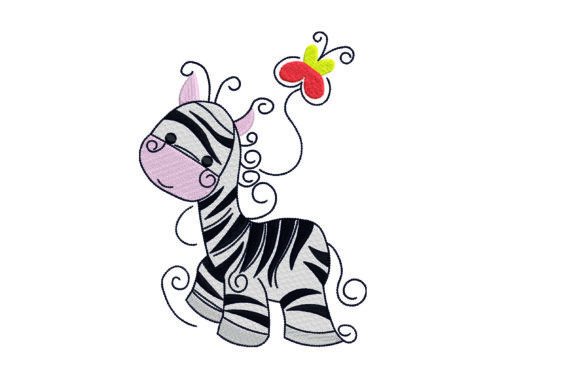
The moment I opened the preview files for this machine embroidery design, the vibe was immediately clear. This isn't a wild, aggressive jungle print; it is undeniably cute. The "baby zebra" concept leans heavily into the soft, whimsical aesthetic that dominates the Baby Animals category. For a maker targeting parents or those looking for nursery decor, this design hits the sweet spot between modern minimalism and playful charm. The stripes are defined but not overly complex, suggesting that even at smaller scales, the character will remain recognizable. In a sea of floral patterns and generic quotes, a well-executed animal motif like this offers a distinct personality that can elevate a simple handmade product into a conversation starter.
Evaluating Product Versatility for the Market
The true test of any digital embroidery file is its adaptability across different substrates. With six sizes included, the Zebra Embroidery Design - 6 Sizes promises significant flexibility, which is crucial for a small shop owner managing inventory costs. Let's break down where this design truly shines in a real-world sales environment.
Kitchen Textiles and Home Goods
For kitchen items, specifically tea towel embroidery and aprons, the medium-sized versions of this design are ideal. A baby zebra centered on a natural linen tea towel creates a striking contrast that feels both rustic and refined. Similarly, placing this motif on the bib of a cotton apron embroidery project adds a touch of fun without overwhelming the garment. These items are high-volume sellers at craft fairs because they are affordable impulse buys. The clean lines of the zebra ensure that even on textured fabrics, the image remains crisp, provided the correct stabilizer is used.
Apparel and Accessories
When moving to apparel, such as caps or small fabric pouches, the smallest size options become essential. An embroidered patch featuring the baby zebra can be sewn onto denim jackets or backpacks, appealing to a slightly older demographic while maintaining that cute factor. For tote bag design, the larger sizes work beautifully as a focal point on canvas. However, I always advise caution with curved surfaces like caps. The zebra's head shape must be tested to ensure the stitches lay flat and do not pucker when wrapped around the cap's brim.
Nursery and Giftable Items
This is arguably the strongest category for this specific design. Pillow covers and plush toys benefit immensely from the larger hoop sizes available in this pack. Parents love unique, non-traditional nursery decor, and a safari-themed pillow cover stands out against the typical pastel clouds and stars. As a giftable handmade item, these products command a higher price point due to their perceived value and uniqueness.
Practical Production Considerations
While the design looks promising, the transition from a digital file to a physical object requires careful planning. Here are the critical factors I consider before running a batch production run for the market.
Stitch Density and Fabric Texture
One of the most common pitfalls in commercial embroidery is ignoring stitch density relative to fabric weight. Zebras rely on the contrast between black and white (or dark and light) stripes. If the stitch density is too low, the background fabric may show through, breaking the illusion of the stripes. Conversely, if it is too dense on a lightweight material like a thin t-shirt, the fabric will pucker, ruining the drape. I always recommend testing the design on scrap fabric first to check how the thread lays. For thicker materials like denim or heavy canvas, you might need a heavier stabilizer to support the weight of the thread without distorting the fabric texture.
Thread Colors and Contrast
The magic of a zebra design lies in the contrast. When selecting thread colors, avoid shades that are too close to the fabric color unless you are aiming for a tonal, subtle look. For maximum impact at a busy craft fair, high-contrast combinations work best. Black on cream, navy on white, or charcoal on mustard yellow will make the design pop. However, be mindful of very dark fabrics; embroidering light stripes on black fabric can sometimes result in the dark background bleeding through the lighter threads, requiring a top layer of cutaway stabilizer to maintain clarity.
Hoop Size and Spacing
With six sizes available, it is tempting to use them all, but you must respect the limitations of your machine's hoop size. Ensure that the largest version fits comfortably within your hoop without needing to re-hoop mid-stitch, which can lead to registration errors. Proper spacing is also vital. If you plan to create a repeating pattern on a large tote bag, leave enough room between motifs so the design does not feel cluttered. A single, well-placed zebra often carries more visual weight than a crowded row of them.
Selling Strategy and Visual Appeal
How does this design affect your bottom line? The Zebra Embroidery Design - 6 Sizes offers excellent brand consistency. By using the same motif across different product types—say, a matching set of a pillow cover, a tote bag, and a hat—you create a cohesive collection that encourages customers to buy multiples. This visual unity strengthens your booth display and makes your brand memorable.
For online sellers, particularly Etsy sellers, the photography potential is high. The clean lines of the zebra photograph well, making it easy to create professional-looking listings. When creating a printable mockup for your shop banner or social media, the design's simplicity allows it to stand out even in small thumbnail sizes. Customers can instantly recognize the product type and style, reducing hesitation and increasing click-through rates.
Designer Notes for Success
Before you commit to selling finished goods, take the time to verify the technical details. Check the specific embroidery file formats included to ensure compatibility with your machine. While the description mentions multiple formats, always confirm which ones are present. Additionally, review the licensing terms carefully. Just because you purchased the design does not automatically grant you the right to sell the finished products commercially; many designers require a separate commercial license for mass production or resale of the physical items.
Finally, never skip the test run. Create at least one real mockup on the exact fabric you intend to sell. Inspect the back of the stitching to ensure there are no loose threads or excessive stabilizer residue. A high-quality small shop product is defined by these invisible details. By paying attention to the nuances of the Zebra Embroidery Design - 6 Sizes, you can transform a simple digital asset into a standout piece that drives sales and builds your reputation as a creator of premium, handmade goods.