Shamrock Leaf Embroidery Design Review
As a designer who has spent years curating machine embroidery design libraries for both personal craft and commercial clients, I approach every new file with a critical eye. The market is flooded with generic shapes, so finding a piece that balances aesthetic charm with technical reliability is rare. Today, I am evaluating the Shamrock Leaf Embroidery Design. While the product description hints at its use for romantic Valentine's Day gifts, my experience suggests this motif holds significant potential for broader seasonal applications, particularly within the St Patrick S Day category. Before you download this embroidery file or commit it to a client order, let’s break down how it performs in real-world scenarios.
First Impressions: Mood and Visual Personality
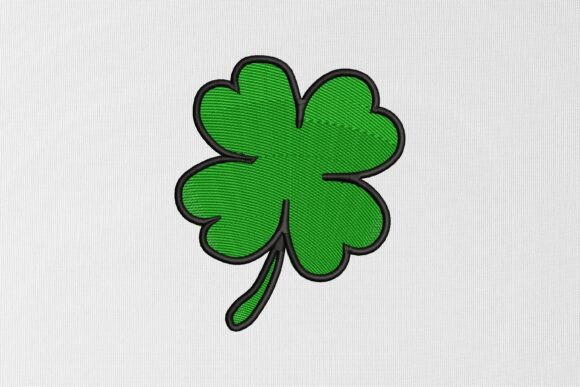
When I first loaded the Shamrock Leaf Embroidery Design into my digitizing software, the immediate impression was one of playful simplicity. It avoids the overly intricate detailing that often plagues holiday motifs, opting instead for clean lines and a recognizable silhouette. This makes it an excellent candidate for quick production runs. The shape feels organic yet structured, suggesting that it will stitch out smoothly without excessive trims or jump stitches.
The visual personality of this design leans heavily toward the "cute" and "romantic" descriptors mentioned in the listing. However, as a professional, I see beyond the marketing copy. This isn't just a holiday icon; it is a versatile element that can soften the look of rugged fabrics or add a touch of whimsy to delicate nursery items. The layout is balanced, meaning it won't pull unevenly on the fabric if hooped correctly. For an Etsy seller looking to expand their inventory with low-risk, high-appeal items, this design offers a solid foundation.
Real-World Application: From Concept to Finished Product
To truly understand the value of the Shamrock Leaf Embroidery Design, I simulated a few common project scenarios. Imagine you are preparing a custom embroidered tote bag for a local boutique. You want something that says "eco-friendly" but also adds a pop of color. Placing this shamrock near the bottom corner of a natural canvas tote creates a perfect focal point. The fill stitch areas appear dense enough to hold vibrant green thread colors without bleeding through, while the edges likely utilize a satin stitch that provides a crisp definition against the textured fabric.
I also considered using this for custom apparel, specifically a heavyweight cotton sweatshirt. In this context, the design works beautifully as a chest logo or a sleeve accent. Because the shape is relatively compact, it fits well within standard hoop sizes, making it ideal for small batch production. If you are targeting the baby market, this baby embroidery option is gentle and non-threatening. A onesie or a receiving blanket featuring this leaf motif would be a darling addition to a spring collection, offering parents a subtle nod to heritage without overwhelming the garment.
For those running a craft business, the versatility extends to home decor. Picture a linen pillow cover or a kitchen tea towel where the shamrock serves as a standalone statement. The design's simplicity ensures it remains legible even from a distance, which is crucial for handmade products displayed on shelves at craft fairs. Whether used as an embroidered patch sewn onto denim jackets or directly stitched onto aprons for a chef-themed gift set, the Shamrock Leaf Embroidery Design adapts well to various textures and end uses.
Navigating Technical Challenges and Fabric Choices
While the design appears robust, there are specific situations where caution is required. As with any digital embroidery file, the success of the final output depends heavily on your material choices. If you plan to use this on stretchy fabrics like jersey knit or thin silk, you must be meticulous about your stabilizer selection. Without proper backing, the tension from the running stitch or fill areas could cause puckering, ruining the smooth curve of the leaf.
Dark fabrics present another consideration. The default thread palette might not offer enough contrast against black or navy backgrounds. Before committing to a large run of commercial embroidery on dark garments, test the design on scrap fabric to ensure the green tones pop rather than recede. Additionally, if you are working with curved surfaces like caps, verify that the design does not distort when mapped to the cap hoop. The sharp points of the leaves could potentially snag or lose definition on a rounded surface if the stitch density is too low.
Be wary of using this design in extremely small hoop sizes. While it looks cute, shrinking it too much can compromise the integrity of the satin stitch borders, leading to gaps or thread breaks. Always check the recommended hoop size in the file details. If you are creating a personalized gift with tiny lettering alongside the shamrock, ensure the text is spaced adequately so the needle doesn't crowd the delicate corners of the leaf.
Practical Designer Notes for Professional Use
If you are serious about integrating the Shamrock Leaf Embroidery Design into your workflow, follow these practical steps to ensure quality:
- Test on Scrap First: Never skip the test run. Stitch the design on a piece of fabric identical to your final project to check for alignment and tension issues.
- Review Thread Colors: Experiment with different shades of green to match your brand palette. Sometimes a teal or lime green works better than traditional forest green depending on the season.
- Inspect Stitch Density: Look closely at the digital preview. If the fill looks too sparse, the fabric may show through; if too dense, the fabric may stiffen.
- Mockup in Black and White: Create a printable mockup in grayscale to assess contrast before purchasing thread. This helps visualize how the design reads on light versus dark backgrounds.
- Confirm Licensing: As a small shop product owner, always double-check the license terms. Ensure you are permitted to sell finished goods containing this design and whether you can resell the digital product itself.
- Use Proper Stabilizer: Match the stabilizer weight to the fabric texture. Heavyweight cutaway is usually best for knits, while tear-away works for woven cottons.
Final Verdict: Is It Worth Your Time?
The Shamrock Leaf Embroidery Design is a strong contender for designers seeking reliable, aesthetically pleasing assets for their portfolio. Its ability to bridge the gap between Valentine's Day romance and St Patrick S Day celebration makes it a smart investment for maximizing machine time. It enhances the perceived value of a finished product by adding a layer of craftsmanship that mass-produced prints cannot replicate.
For the creative entrepreneur, this design offers a chance to create unique, holiday embroidery items that stand out in a crowded marketplace. When executed with attention to detail—proper stabilization, color matching, and fabric selection—it builds customer trust and encourages repeat business. Just remember that the design is only as good as the execution. Take the time to prep your materials, respect the technical limitations, and you will find this little leaf brings a lot of love to your next project.