Grim Reaper Skull Embroidery: A Designer's Review
As I set up my booth for the upcoming weekend craft fair, the table is a chaotic mix of fabrics, hoops, and half-finished samples. The air smells of thread tension oil and fresh cotton. My goal today is to evaluate the Grim Reaper Skull Embroidery design to see if it belongs in this year's Halloween collection or if it needs to be shelved for next season. This isn't just about whether the file stitches out; it is about whether it sells when a customer walks by with a shopping bag in hand. For an Etsy seller or a boutique maker, the difference between a good design and a bestseller often comes down to how it translates from a digital screen to a tangible, handmade product.
First Impressions: Boldness Meets Mystery
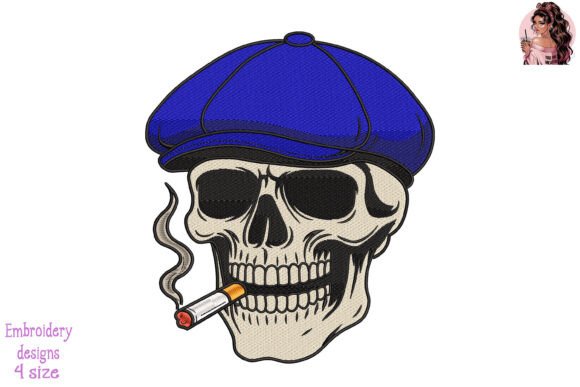
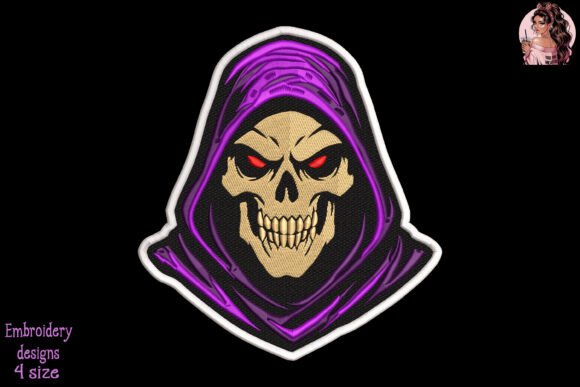
When I first loaded the Grim Reaper Skull Embroidery onto my machine, the visual impact was immediate. It is undeniably bold and haunting. The description promises an iconic skeletal figure cloaked in shadow, and the stitch pattern delivers exactly that. Unlike some designs that feel cute or whimsical, this one leans heavily into the mysterious and slightly edgy aesthetic that has become so popular in modern Halloween decor. It does not scream "farmhouse" or "rustic"; instead, it feels premium and decorative, perfect for the gothic or alternative market segments that are currently trending on social media.
The intricate stitching highlights the skull details without becoming muddy, provided the hoop size is correct. As a professional embroidery designer, I appreciate when a design respects the limits of thread density. However, the shadows described in the cloaked figure require careful attention during production. If the stitch density is too high, the fabric may pucker, ruining the flow of the cloak. If it is too low, the mystery is lost. Finding that balance is key to making this a viable craft fair product.
Product Performance: Where Does It Shine?
To determine the commercial viability of the Grim Reaper Skull Embroidery, I tested it across various substrates typical for a handmade shop owner. Here is how it performed on specific items:
- Tote Bags and Market Bags: This is where the design truly stands out. On a heavy canvas tote bag, the large focal nature of the reaper creates a striking statement piece. Customers notice it from across the room. It transforms a simple utility item into a fashion accessory. The flat surface of a tote allows the intricate stitching to breathe, ensuring the details remain sharp.
- Apron Embroidery: Placing the design on the bib of a linen apron offers a unique, chef-inspired vibe. It works well as a conversation starter at the booth. However, because aprons are often handled frequently, the durability of the thread colors against washing is crucial. The dark tones of the reaper hold up better than lighter accents might.
- Tea Towel Embroidery: While tea towels are a staple for Embroidery sellers, the textured weave of kitchen towels can sometimes obscure fine details. The Grim Reaper Skull Embroidery requires a tighter weave or a stabilizer that prevents the loops of the towel from catching the thread. It is less effective here unless the design is scaled up significantly.
- Embroidered Patches: Creating patches from this design is a smart move for inventory management. You can embroider them in bulk and sew them onto caps, denim jackets, or backpacks later. This flexibility makes it a strong small shop product option.
- Caps and Curved Surfaces: Be cautious here. The curved surface of a cap can distort the straight lines of the skeletal figure. The design works best on flat-front caps rather than structured ones. Always test on scrap fabric before committing to expensive headwear.
- Pillow Covers and Home Decor: On a dark-colored pillow cover, the Grim Reaper Skull Embroidery becomes a subtle, elegant accent. It adds texture and depth without overwhelming the room. This appeals to buyers looking for spooky yet sophisticated home goods.
Practical Production Notes for Sellers
Before you rush to list this as a commercial embroidery item, consider the practicalities of production. The Grim Reaper Skull Embroidery is not a "set it and forget it" design. The dense areas around the skull and the flowing cloak require a high-quality stabilizer. Without proper backing, the fabric will pull, and the finished product will look cheap. For thick fabrics like denim or canvas, cut-away stabilizer is non-negotiable.
Another critical factor is the hoop size. Because the design features a full figure, it likely requires a larger hoop than standard 4x4 inch setups. Ensure your machine accommodates the dimensions required for the full impact of the reaper. If you attempt to shrink the design for a small pouch or keychain, the tiny details of the skeleton will vanish, leaving a blurry mess. Stick to medium-to-large applications where the intricacy can be appreciated.
Thread contrast is also vital. The description mentions the figure is "cloaked in shadow." Using black thread on black fabric will result in zero visibility. To make the design pop, consider using metallic threads for the bones or contrasting grays and deep reds against the dark background. This elevates the perceived value of the finished product and justifies a higher price point at the craft fair.
Selling Strategy and Visual Appeal
For an Etsy seller or a booth operator, visual appeal drives engagement. The Grim Reaper Skull Embroidery photographs exceptionally well due to its high contrast and dramatic subject matter. When creating printable mockups or listing photos, use lighting that casts soft shadows to enhance the 3D effect of the stitching. Show the texture! Close-up shots of the thread work convince customers of the handmade quality.
This design strengthens brand consistency for shops focusing on gothic, vintage, or alternative aesthetics. It signals to the buyer that you understand their niche. In a sea of generic pumpkin and ghost designs, the reaper offers a mature, sophisticated alternative. It attracts a specific demographic willing to pay more for unique, high-quality handmade products.
Final Checklist Before Production
Before you turn the Grim Reaper Skull Embroidery into a batch of inventory, run through this final checklist:
- Test Stitch: Always run the design on scrap fabric first. Check for puckering, thread breaks, or skipped stitches.
- Verify Licensing: Confirm that your digital embroidery file includes a commercial license if you plan to sell the finished goods. Never assume free files are free for resale.
- Fabric Selection: Match the fabric weight to the stitch density. Avoid overly stretchy knits unless you have extensive experience with them.
- Mockup Creation: Create at least one real physical sample to photograph. Digital renderings rarely capture the true texture of embroidery.
- Size Verification: Ensure the design fits your intended product without distortion. Do not force a large design into a small space.
In conclusion, the Grim Reaper Skull Embroidery is a powerful asset for any creative entrepreneur preparing for the fall season. With the right fabric choices, stabilizers, and marketing, it can become a standout hero product in your collection. It captures the essence of Halloween while maintaining the elegance expected of high-end machine embroidery design. Just remember: quality control is everything. A single loose thread or misaligned hoop can ruin the illusion of perfection. Take the time to get it right, and your customers will reward you with sales that last long after the holiday ends.